I would describe the nature of my gaze as mixed although this seems like too easy an answer. Whilst I am easily attracted to faces, people and physical forms both male and female I don’t necessarily feel a sense of sexual satisfaction. There is a voyeur in everyone, you just have to put the right image in front of anyone and they will look.
To say I don’t have the male gaze or have elements of it in my practice would be difficult, I think it is difficult for any person identifying with a male or masculine gender to completely remove themselves from the male gaze as it is institutionalised in everything that is consumable from a young age. As a male photographer I am in a situation where my gaze or my vision is what is represented regardless so I am responsible for what I represent regardless of the subject. As Mulvey puts is; The determining male gaze projects its phantasy on to the female form which is styled accordingly. In their traditional exhibitionist role women are simultaneously looked at and displayed, with their appearance coded for strong visual and erotic impact so that they can be said to connote to-be-looked-at-ness.”
What I understand as a consumer is that the nature of the photograph is very similar to a fetish in a more general sense, Christian Metz argued that a photograph works like a fetish because it freezes a fragment of reality, ‘cutting off a piece of space and time … keeping it unchanged while the world around continues to change’ (Metz 1985: 85 – Photography and fetish, October 32, Autumn). The photograph whether digital or printed is available to look at for as long as desired to comb over details or analyse or just appreciate an aesthetic quality in the work. The physical element of the photograph in relation to fetish or the voyeur is also something I had taken for granted, carrying an image of my loved one with me to look at never seemed voyeuristic however when considering the act of carrying around a small version of someone to look at on my own terms it seems like an exercise in control. Metz writes on this notion that ‘The familiar photographs that many people carry with them always obviously belong to the order of fetishes in the ordinary sense of the word (Metz 1985: 87 – Photography and fetish, October 32, Autumn). In my case, I selected the photograph (with permission), I choose when to look at it and when to keep it hidden away – the photograph is an object born from love and companionship, nothing sinister is intended but it is subject to my control. Thankfully this dynamic is reciprocated because my partner also carries around my image to view as or if she desires not to mention the images collected of each other on our mobile phones.
‘To Photograph people is to violate them, by seeing them as they never see themselves, having knowledge of them they can never have, it turns people into objects that can be symbolically possessed’ (Sontag 1977, p.14)
Sontag’s notion that by photographing someone you are turning them into an object, whether physical or digital, seems like an integral part of photography. Selling a photograph whether on a small or a large scale has gone hand in hand with photography since it’s birth and now with the ability to buy, sell and share your images online the idea of the object changes. Is a digital sale of an image still an object or when it is printed from a file made up of bites is it a new object in its own right. Considering Baudrillard’s work ‘Simulacra and Simulation’ he would argue that perhaps it doesn’t matter if the digital version of someone is a symbolic possession because it isn’t real, it is merely a likeness and part of the hyperreal. “We live in a world where there is more and more information, and less and less meaning.” When applying this to Mulvey’s ‘Visual Pleasure and Narrative Cinema’ originally written in 1975, it is important to consider now that there are DVD’s and streaming services, as well as cinema screens, so now can devour still or moving imagery wherever you want, in public or in private. Where one could previously only gaze, they can now possess but is it real? In a word yes; reality is subjective surrounding perception. Some people believe in a God as part of their reality where as some do not, there are some who believe we live on a flat earth and that is their reality. If someone believes in the reality and authenticity of the possession, they have then it must be real.
My non-commercial work is personal and not objective, I see myself in all my images, even portraits of others so does that mean everyone’s look is focused at me? I take a lot of self portraits in my work involving a lot of nudity and whilst there is an element of voyeurism as a glimpse into my psyche there is also a sterilised aspect to them in that they are in no way sexual. My work could be interpreted as intimate because they are reflection of my personality and my personal life. I think this interpretation would come from other artists or those who are interested in art.

I showed my previous WIP portfolio submission to my grandparents and they were disturbed that I was not wearing a shirt in at least one of the images. Whether they found it hard to accept my work as art because of a personal connection or because they see my work as indecent despite hundreds of years of nudity in painting, they did not see my work as I see it. Their gaze however is very different to my own, strictly because of generational difference it must be. I feel the people who will interpret my work in the way I intend would need to have a trans generational gaze.
When comparing my work to photographers such as Jeff Wall, Gregory Crewdson and Wolfgang Tillmans, I see personal elements of voyeurism and mystery in their work too although there are different approaches to the images in relation to their gaze. Tillmans is a prime example of providing his audience with an insight into how he sees or gazes at the world and its inhabitants. Often mysterious or ambiguous, Tillmans’s gaze gives the objects and the people he photographs their relevance by photographing them, directing people to gaze at them.
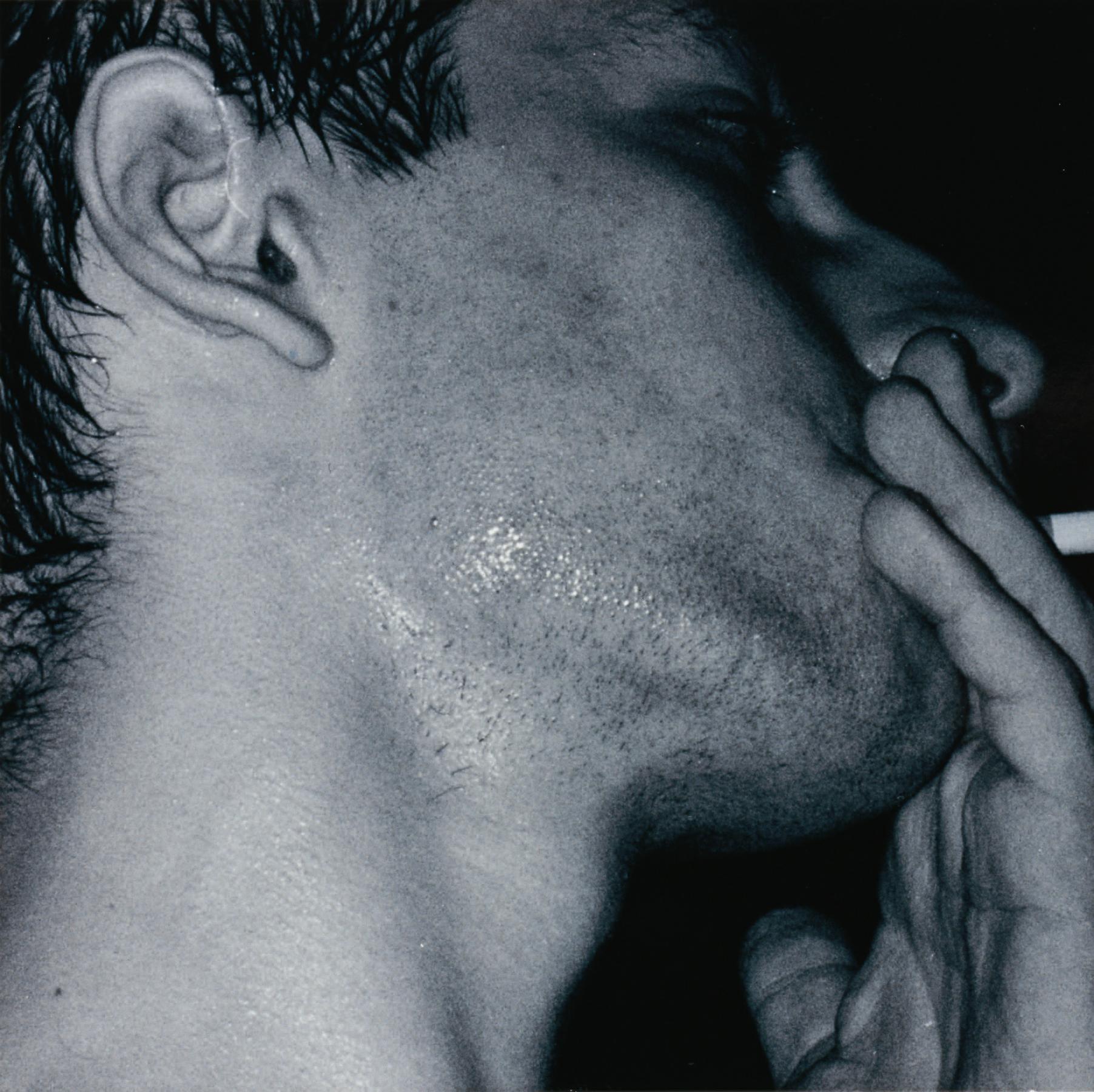
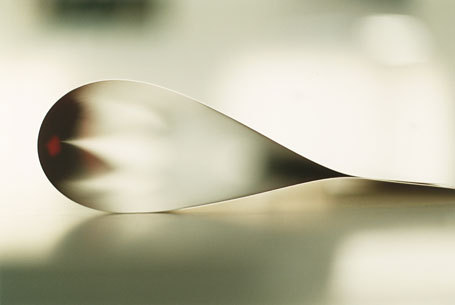
As part of my practice, I too photograph objects and subjects that interest me and are relatable aesthetically and contextually within their surroundings, in turn my gaze is mostly responsive when seeing myself in something other than myself. Whether these objects or images make up the space that would form the ideal me that haunts me from Lacan’s mirror or, the ego in me taking over, it is present in my personal work and even bleeds into my commercial practice when it comes to taking a portrait.
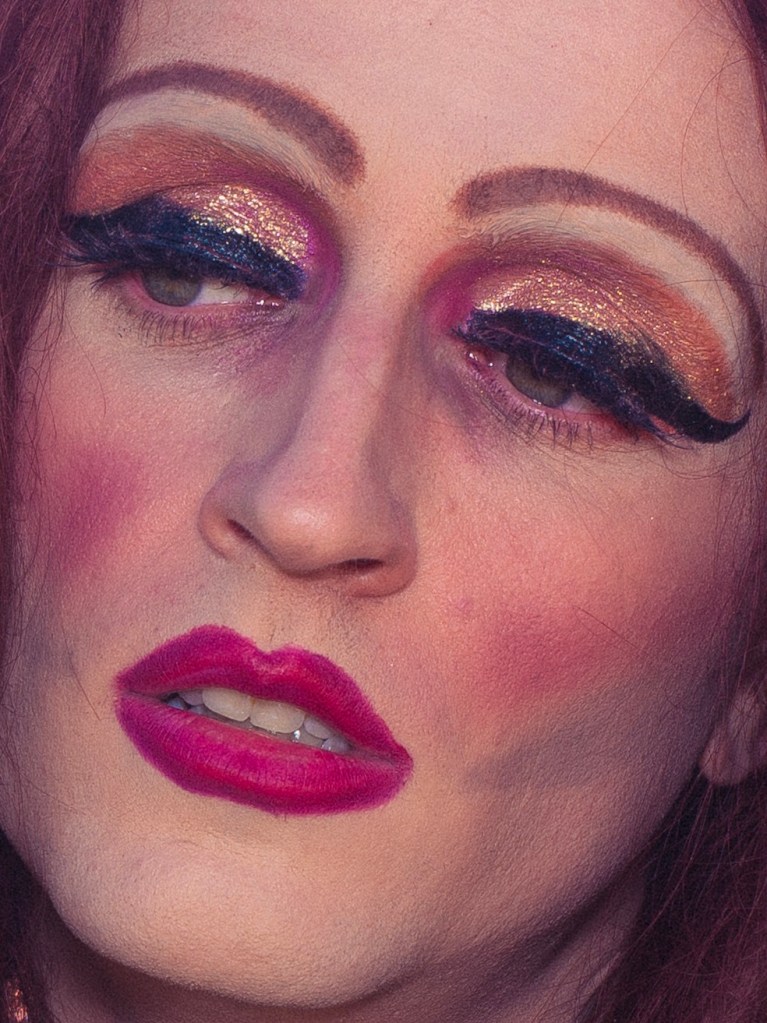
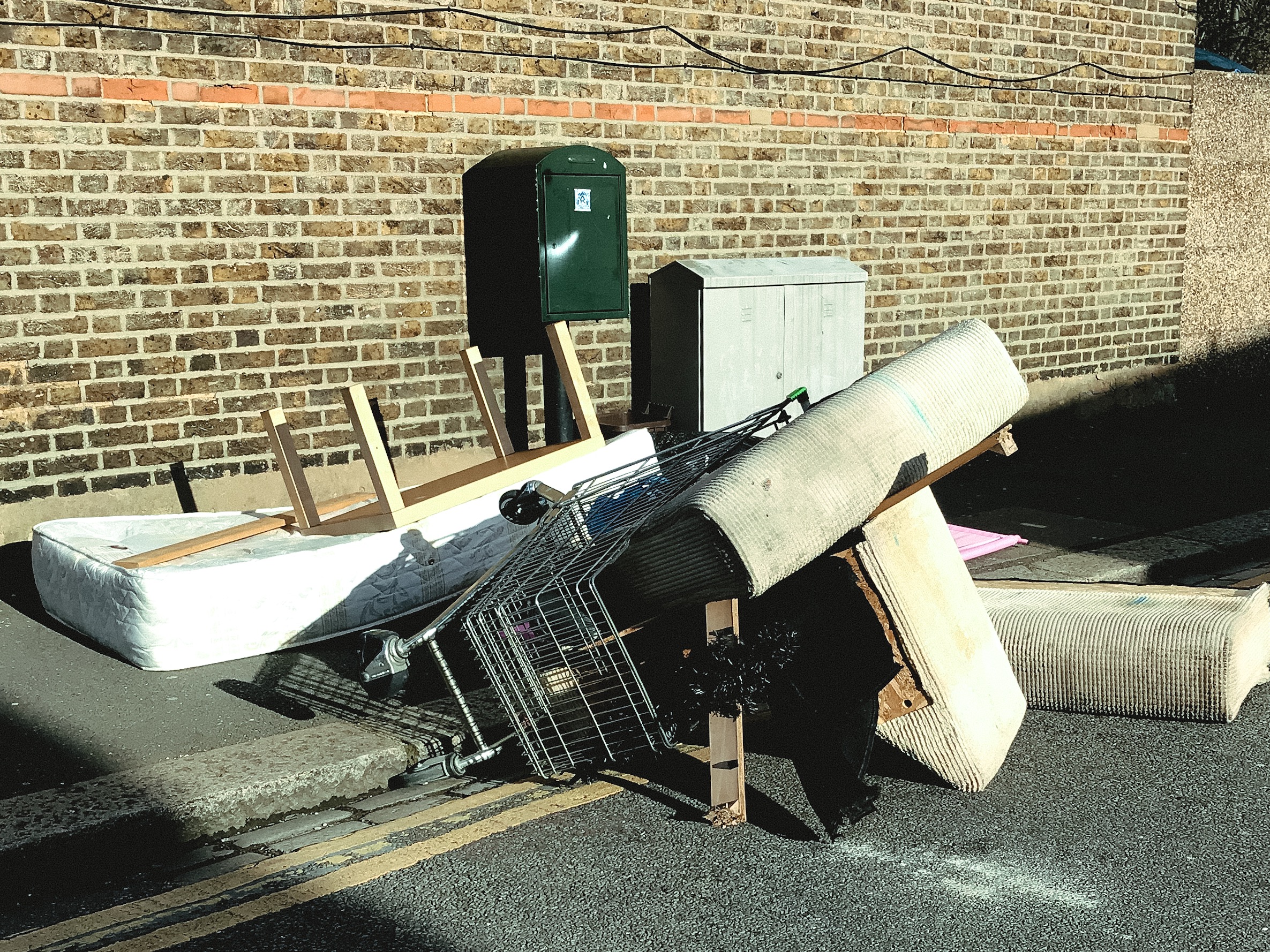
‘Voyeurism is not about sex per se. It is more about a peculiar point of view, based on a longing to possess that which one knows cannot (and ultimately does not want to) have. The basic condition of the voyeuristic scenario is distance, an essential separation between seer and seen. Despite this distance, which by definition is unbridgeable, despite the unrequited nature of the desire that drives it, the voyeurs gaze is a privileged one.’ (Angier, 2015: p61)
Whilst these images are taken with the ultimate purpose of being presented to an audience, I realise that on a smaller level, the images are mostly taken for myself. It is the voyeur in me that wants to be satisfied and to a degree is satisfied. Following Angier’s definition of voyeurism, it is the ability to look that I ultimately desire and the images I take are of ones that I want to look at.
References

Metz, C. (1985) 'Photography and fetish', October 32, Autumn
Sontag, S. (1977), 'On Photography' New York: Farrar, Straus and Giroux, 1977
Baudrillard, J. 'Simulacra and Simulation' (1994), University of Michigan Press, Ann Arbor
Mulvey, L. (1975) 'Visual Pleasure and Narrative Cinema' in Screen
Angier, 2015: Train your gaze: a practical and theoretical introduction to portrait photography, Fairchild Books/Bloomsbury, London

Wolfgang Tillmans, Chemistry Square, Smoker (1992): https://www.moma.org/collection/works/164450
Wolfgang Tillmans, Paper Drop (Star),  (2000):
http://www.artnet.com/artists/wolfgang-tillmans/paper-drop-star-LtE8-Q0ur47dr42mNC_iHg2
 CRJ
CRJ 