The activity for this week was to create a dummy publication with the requirement that it is related to my project.
For the purpose of the activity I decided to look at my images for the WIP portfolio. Usually the first thing I do with finished images is upload them to an Instagram preview app in order to select groupings and see which images work or do not work within the project.
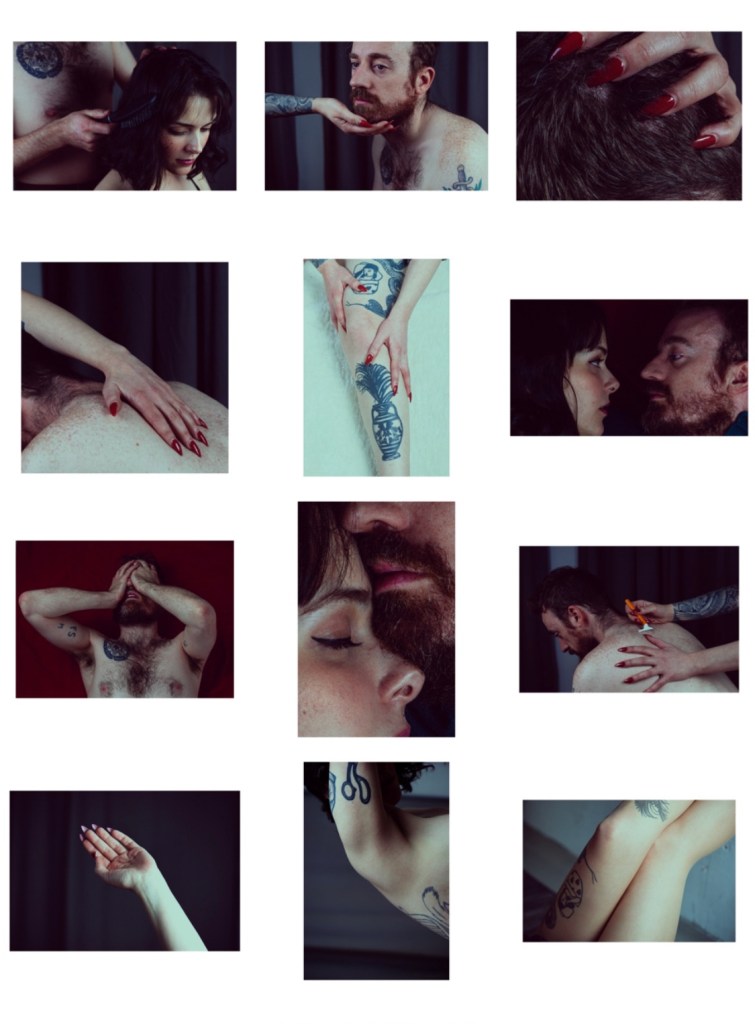
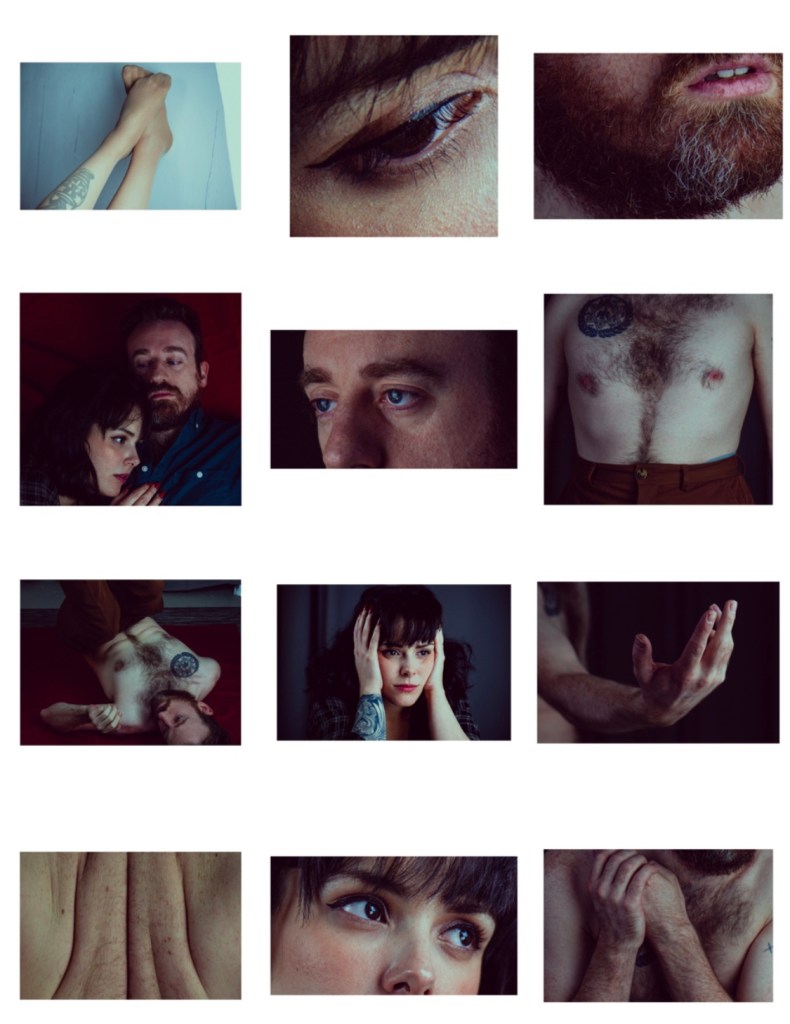
I found this difficult to do with the quantity I was working with so I attempted to print every image with the aim of laying them out together and grouping them physically. Again this was difficult as it became clear that some of the images only made sense in smaller sizes next to other images. To get a better sense of what I wanted to achieve I began arranging the images in Keynote and deliberated for hours on where each image could go.
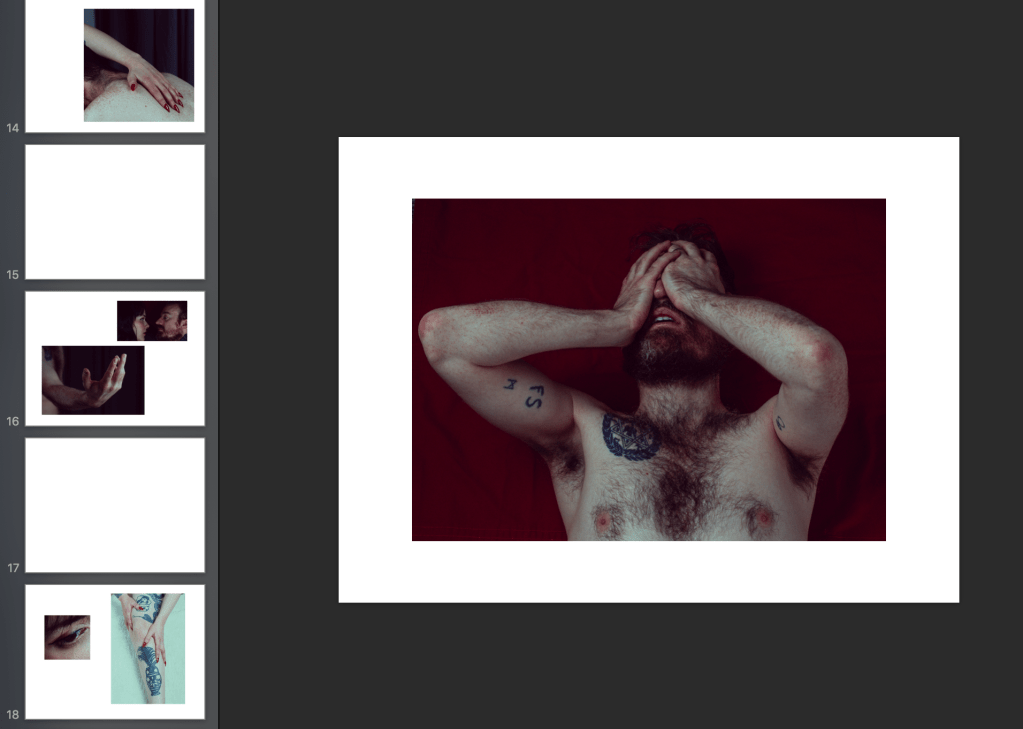
This is not how I would choose to arrange images in the future as it still felt like reaching out in the dark. The best influence in this process was having a second pair of eyes look through the layout periodically delivering constructive criticism.
Eventually, images were dropped, combinations were assembled together and I created a flipbook style ISSUU preview.
Reflection
Seeing my project laid out in a book or zine format has highlighted the need to consider adding further text to the publication, I think this is something I will be focusing on during my FMP module.
Looking at the number of images and the spacing, I am most interested in seeing how this would look as a broadsheet publication, the amount of space provided by a broadsheet would provide perhaps more options to play with negative space in the presentation. I also feel that a broadsheet would work well alongside an exhibition in a gallery, they are also relatively cheap to produce and therefore more accesible to an audience than a £25 book. Discussing the price and distribution of his books, Ruscha said in a 1969 interview, “I could print a hundred books each and sell them at $50 apiece as great works of art. But I don’t want to do that. I want to get the price down, so everyone can afford one. I want to be the Henry Ford of book making.” By creating artists’ books, he could subvert the traditional art market and potentially open the works to a larger audience. The market for artists books is now much larger than in the 60’s but then again so is the audience.
Looking at the work of Ed Ruscha at the start of the module has changed the way I think about presenting my work in a publication format. I realised that the majority of the photobooks or publications I own are catalogues and despite my passion for the content, they can feel sterile in comparison to something like Ruscha’s ‘Various Small Fires and Milk’ which feels exciting to me despite only seeing it digitally. The simplicity and pacing of the publication are so effective, it is something I hope to take inspiration from as I start to make more publications.
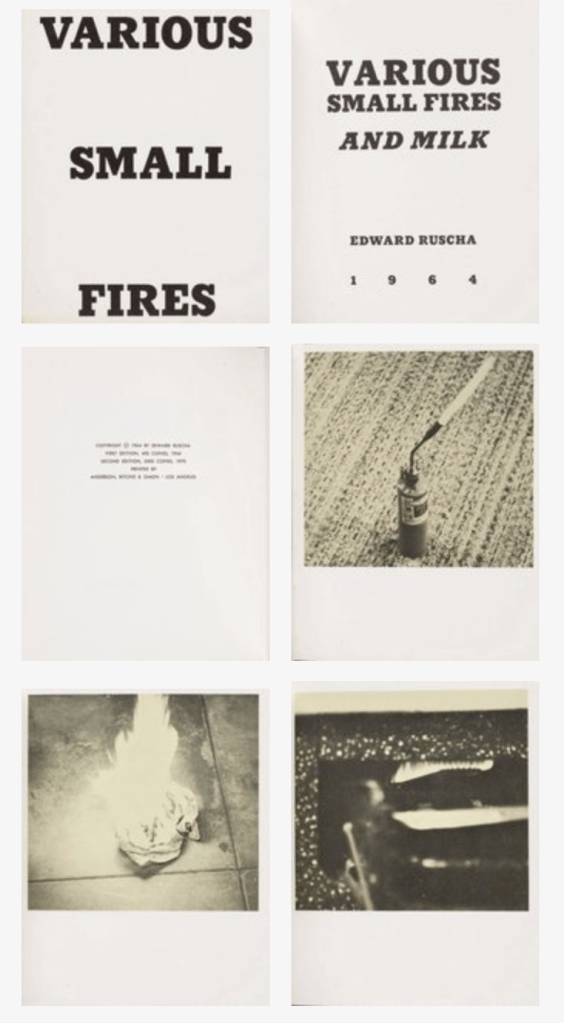
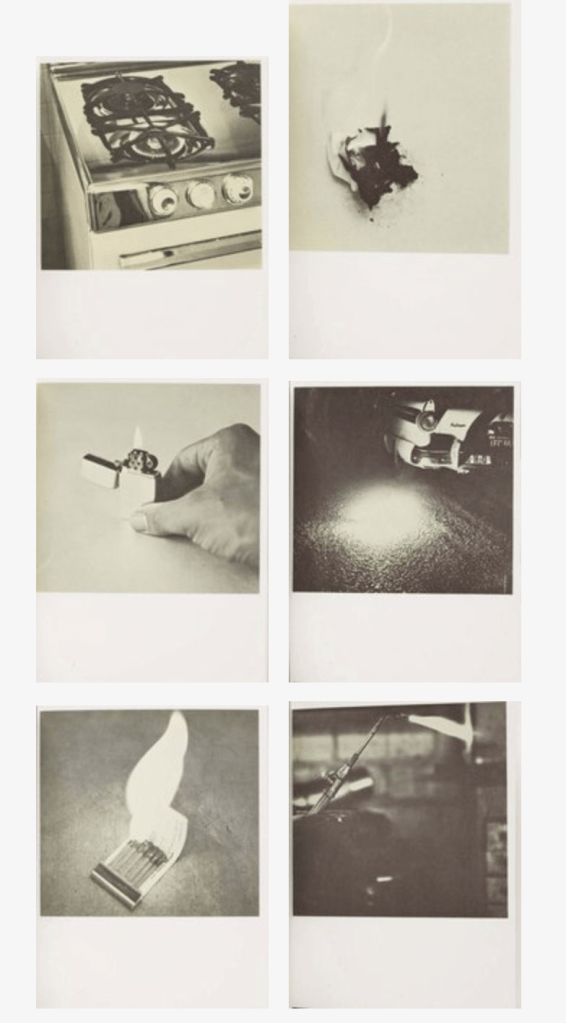
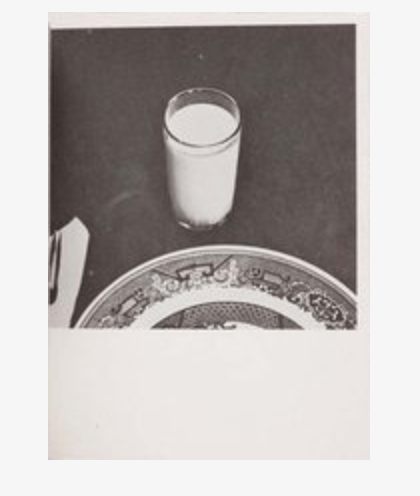
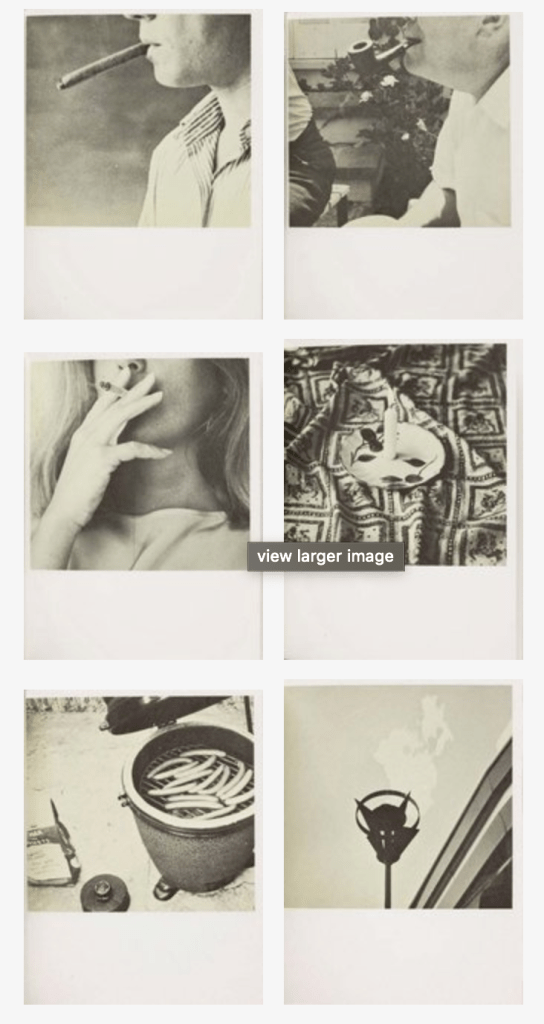
I have always wanted to publish my work in some kind of publication, I think confidence in my work is what has held me back. Ruscha’s ability to put his work out there with the confidence he obviously possesses is something I want to channel going forward.
References
http://www.impossibleobjectsmarfa.com/various-small-fires
https://www.artgallery.nsw.gov.au/collection/works/428.2008.a-s/
 CRJ
CRJ 