The Photographer’s Eye – A Case Study
As a photographer, creating an image is a process of selection. Whether the image is staged and created or found and captured there is a list of variables that I run through in order to present an image as I see it. On the simplest level in my practice these variables would be the camera settings; aperture, exposure level, focus and the subject. For me these choices are based on my own aesthetic preferences, everything in considered in these contexts at some point in the image making process whether it is before or after I have pressed the shutter. These choices extend beyond the physical act of taking a photograph; the choices we make as photographers inform not only the way we see the image but also what the image represents for an audience.
The invention of photography provided a radically new picture making process – a process based not on synthesis but on selection
(Szarkowski, 1966, p.6)
In John Szarkowsky’s Book ‘The Photographic Eye’, Szarkowsky identifies 5 key elements in the photographic process:
- The Thing Itself
- The Detail
- The Frame
- Time
- Vantage Point
These elements present themselves as choices to every photographer albeit they can be processed in different ways adhering to the nature of the practice, and whilst Szarkowsky presents five separate elements they all fit together. The element I will be focusing on is ‘The Thing Itself’
The indexical realism of photography has the ability to document the world through an individual perspective and present that perspective as the actual, while considering ‘the thing itself’ Szarkowsky is quick to identify what is real in a photograph is different from reality itself.
The factuality of his pictures, no matter how convincing and unarguable, was a different thing than reality itself
(Szarkowsky, 1966, p.5)
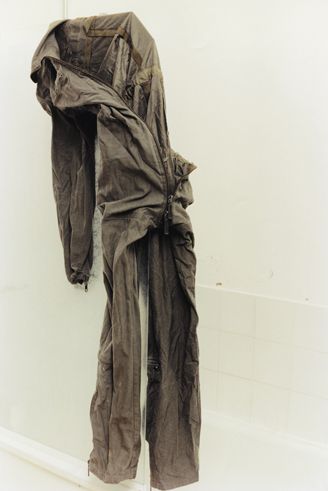
As my artistic practice develops, it is clear to me that ‘The Thing Itself’ is becoming more conceptual, aiming to represent something other than an object; in the same way that Wolfgang Tillmans ‘Suit’ becomes a symbol that suggests the body it once contained like a shedded skin. It is no longer just a photograph of a suit but an image full of context other than the indexical.
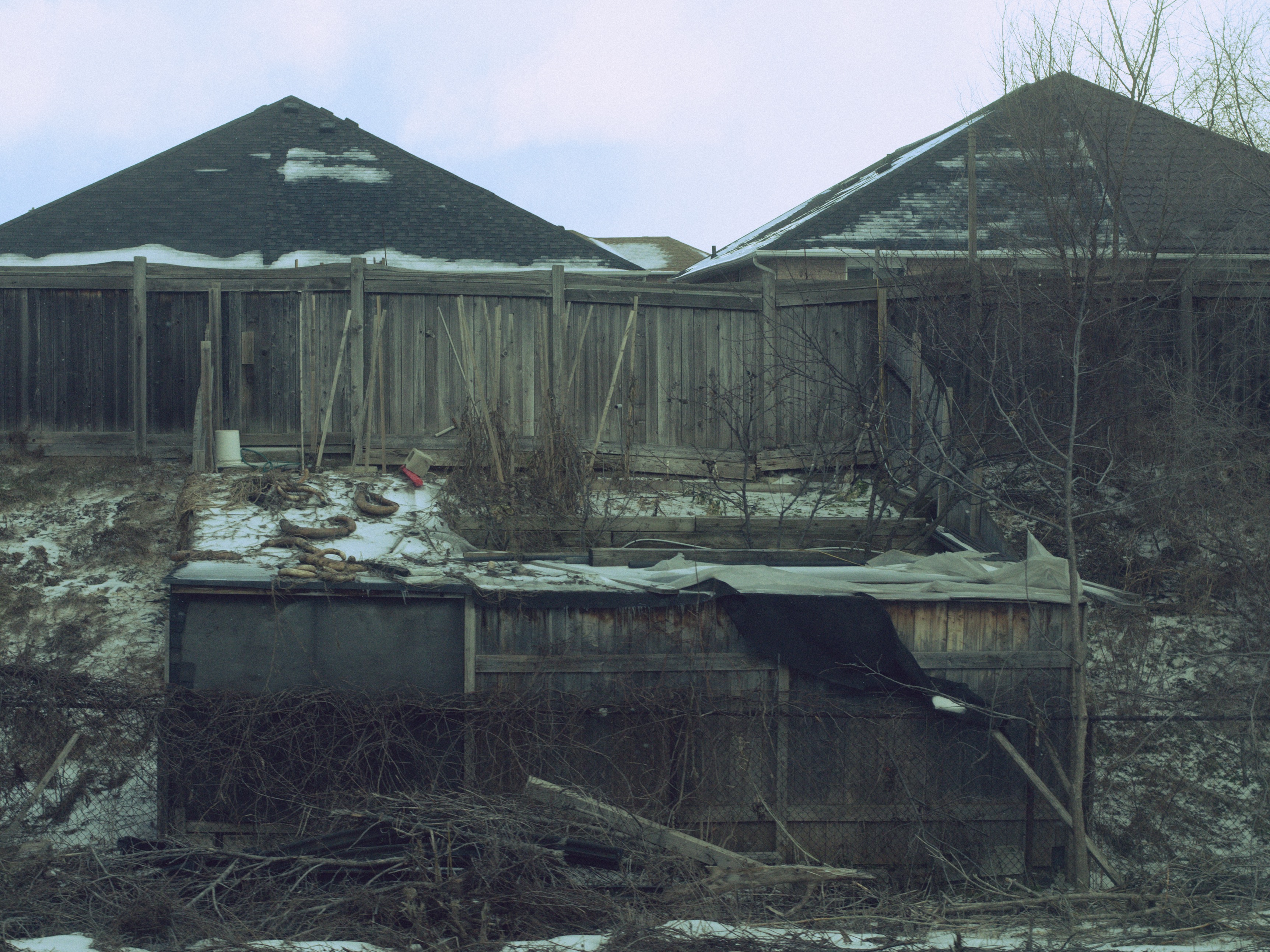
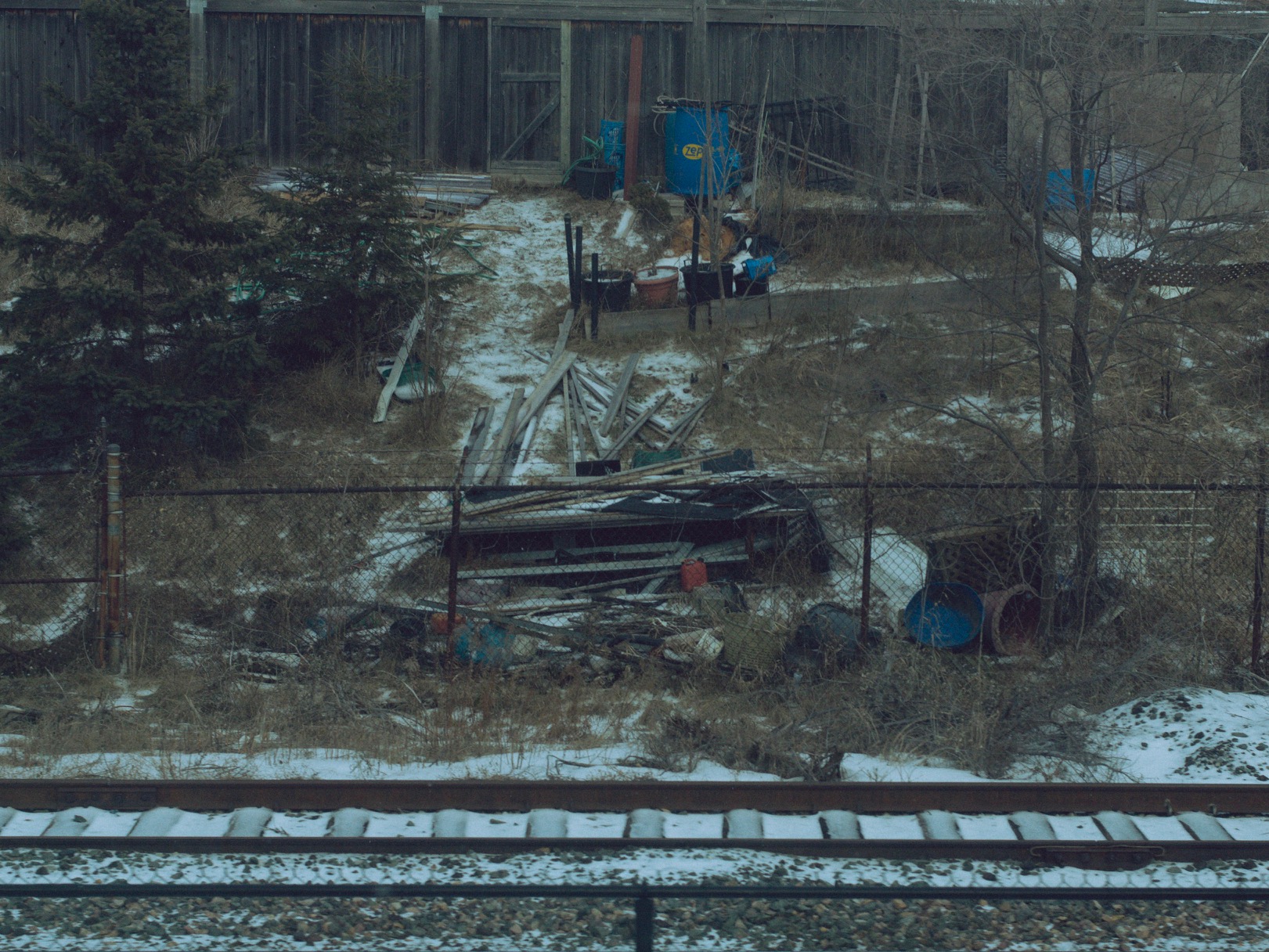
Looking at my own images ‘Backyard 1’ and ‘Backyard 2’, my intent was not to show images of structures and materials but to represent the perhaps forgotten elements of suburban life that are hidden from view because they are either unsightly or simply don’t fit the suburban vision.
A photograph evokes the tangible presence of reality
(Szarkowsky, 1966, p.12)
In reality these images were taken from the window of a moving train, I don’t actually know what the world is like beyond the fences other than there are houses – I am constructing my own reality.
Szarkowsky’s assessment on reality is very much relevant to my practice, I take reality and present it in my own context. This is more relevant today than perhaps when the book was published, with editing software becoming an integral part of many finished images that are presented to the public, it is important to realise that the thing itself is never reality. Photography has always been subject to the photographer and as such it is impossible to declare anything as completely authentic or real.
- Szarkowski, John (1966) The Photographer’s Eye, New York: Museum of Modern Art.
- Figure 1: Wolfgang Tillmans, ‘Suit’, 1997
- Figure 2: Oliver Grabowski, ‘Backyard 1’, (2019)
- Figure 3: Oliver Grabowski, ‘Backyard 2’, (2019)
 CRJ
CRJ 